
Conservatory of Flowers

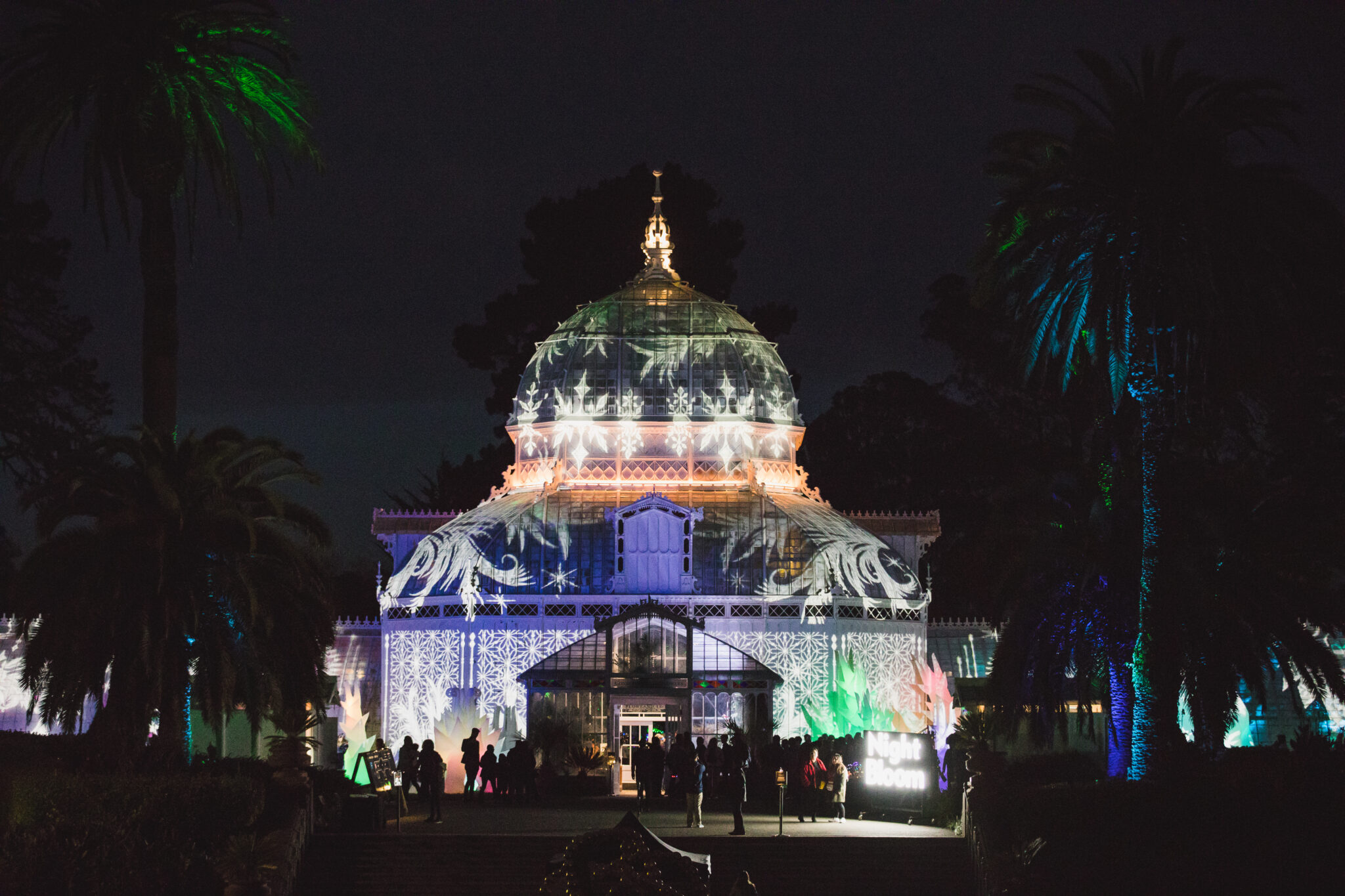
Set in a landmark building — the oldest public wood-and-glass conservatory in North America — the Conservatory of Flowers inspires awe and fascination with its rare and exotic plant collection.
This Week’s Hours
Open Thursday – Tuesday, 10am – 4:30pm
Last entry is 4pm
All Hours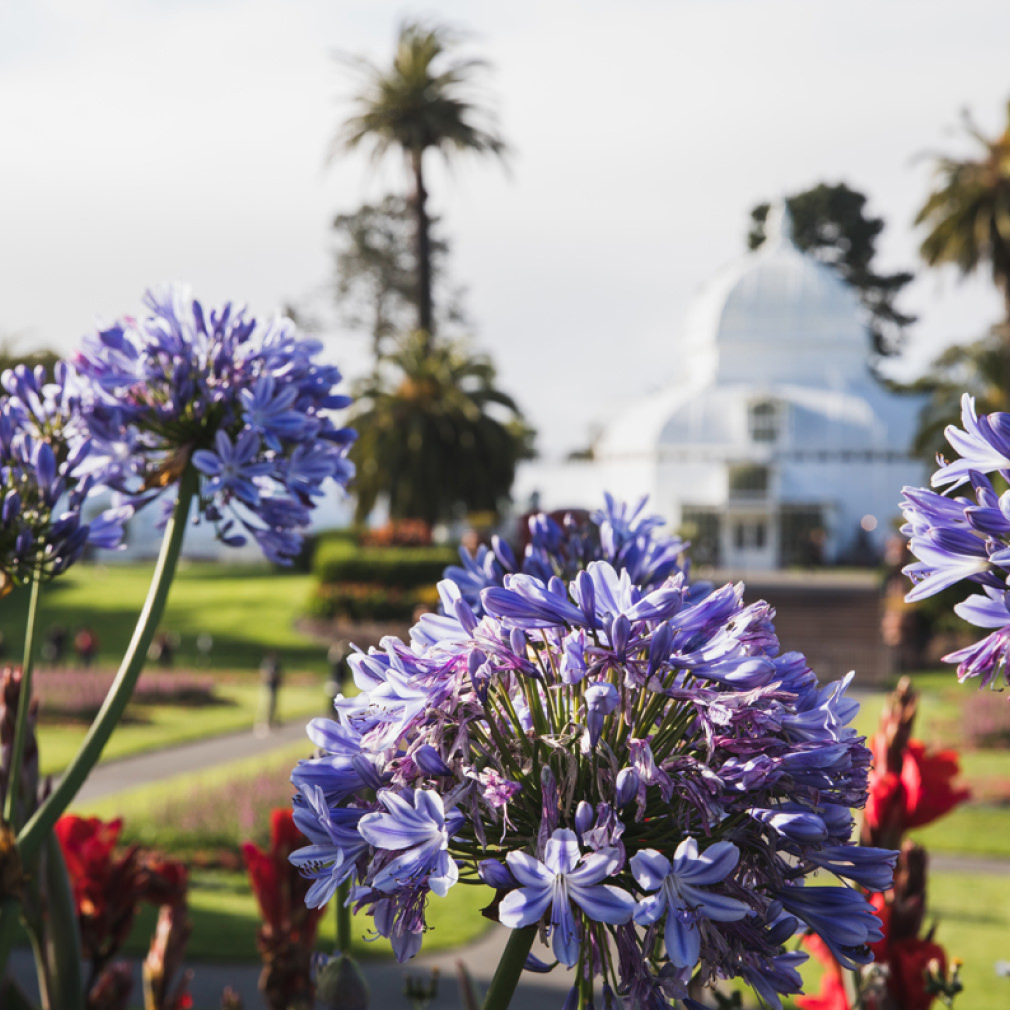
Aquatic Plants
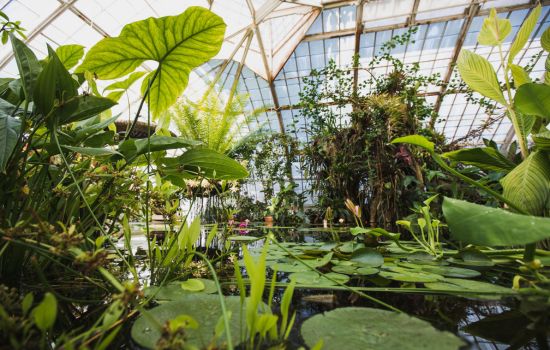
The magical pools in the Aquatic Plants Gallery simulate the flow of a river winding through the tropics. The gallery features a diversity of aquatic plants and colorful water lilies including the Giant Water Lily with its majestic, spiny leaves visible during all but the coldest months of the year. Carnivorous pitcher plants, warm-growing orchids, and brightly painted Heliconia and Hibiscus are scattered throughout the gallery. Giant taro leaves line the pond and the flowers of bromeliads emerge from their water-filled buckets amidst a diversity of epiphytes, creating an eye-catching display of colors and textures.
Highland Tropics
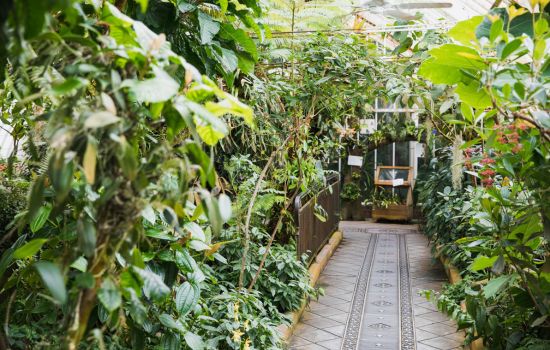
Conservatory of Flowers is one of only a handful of institutions in the United States to feature a Highland Tropics display, given the challenge of creating such a cool and humid climate. The gallery mimics the misty cloud forests of tropical mountaintops. Dense mosses, Impatiens, and Gesneriads engulf rocks. Majestic Rhododendrons and tree ferns grow from the forest floor. Also featured is the renowned collection of delicate high-altitude orchids. Many of these orchids are epiphytes, which are plants that grow on other plants, including the infamous Dracula orchids that peek from hanging vines and through tree branches throughout.
Lowland Tropics
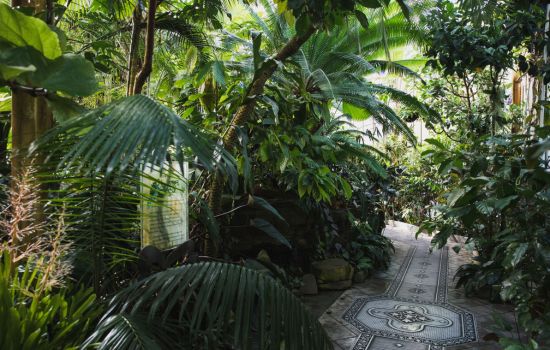
In the steamy, lush jungles of the Lowland Tropics Gallery, a light rain falls on the canopy of majestic palms. An enormous kapok tree lies on the forest floor while brightly colored orchids and falling water cascade around it. Coffee berries, cacao pods, and tropical fruits hang heavily from branches, and the sweet fragrance of jasmine and Stanhopea orchids mingle in the air. The gallery is also home to the Conservatory’s centenarians, including the towering Imperial Philodendron, a pygmy date palm from San Francisco’s 1915 Panama-Pacific International Exhibition, and several rare and ancient Cycads, which are primitive gymnosperms that pre-date the dinosaurs.
Potted Plants
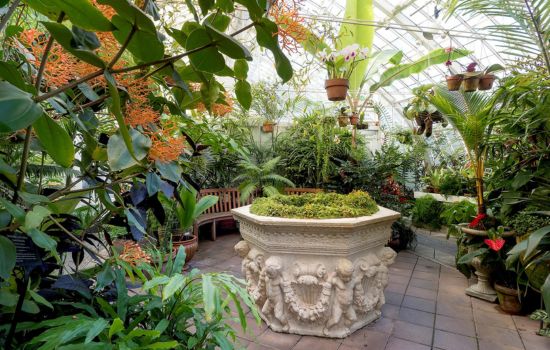
The Potted Plants Gallery pays homage to the Conservatory’s late 1800’s Victorian roots when plant collectors stored their exotic tropical treasures in opulent glass greenhouses to protect them from cold European climates. This ever-changing garden of curiosities features a rotating host of unique, charismatic, and rarely-seen plants from tropical places throughout the world. Lush flowering trees and shrubs are held in an incredible assortment of decorative urns and containers from all over the world including copper containers from India, Javanese palm pots, ceramic pots from Burkina Faso, and a historic urn from San Francisco’s 1915 Panama-Pacific International Exposition.
West Gallery
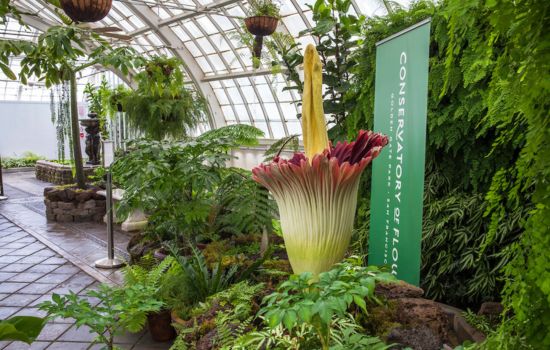
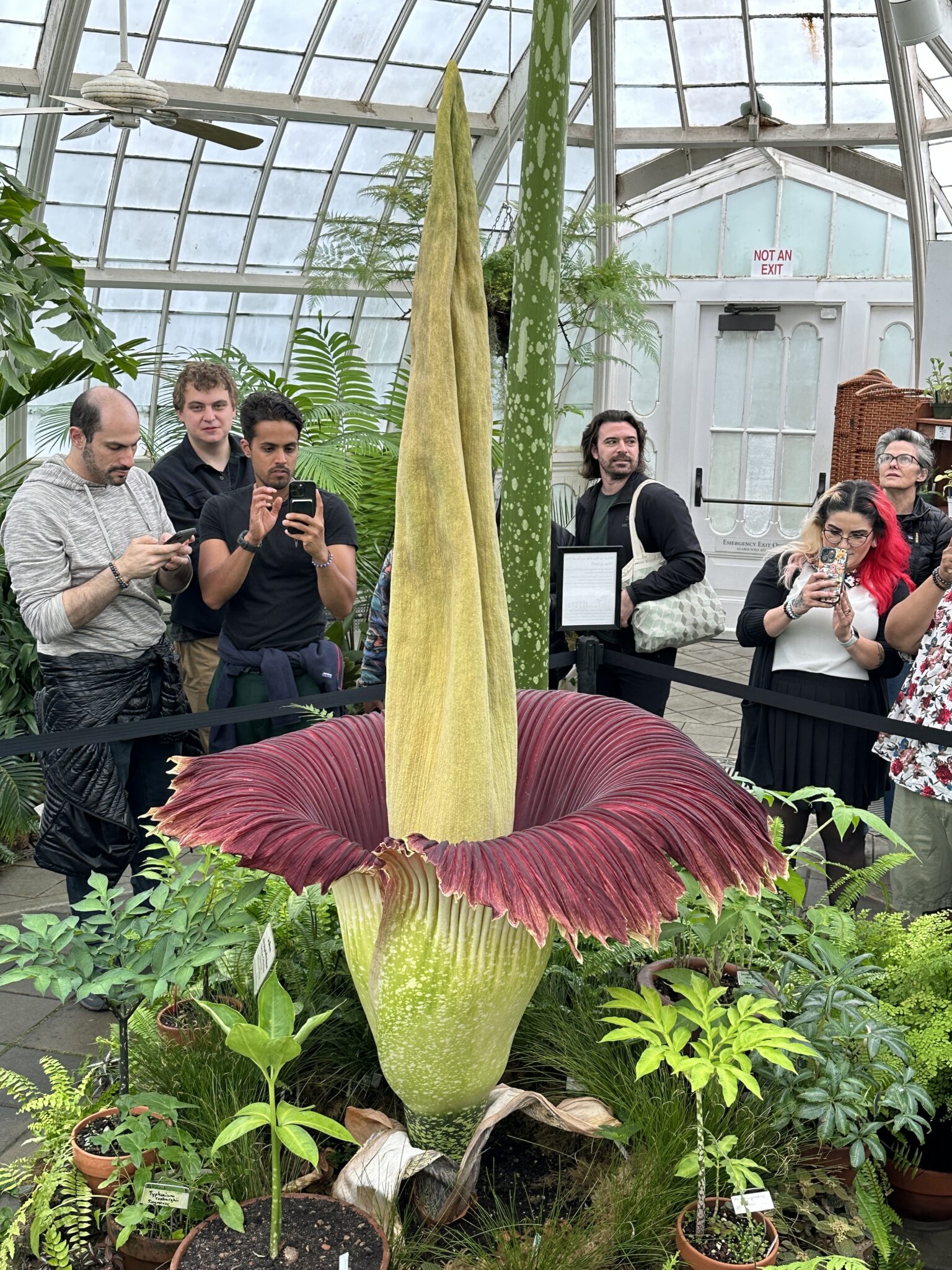
After trekking through the tropics respite can easily be found among the fern fronds of the West Gallery. Ferns are an ancient group of plants that have their earliest ancestors dating back approximately 400 million years. Many Victorians had a passion for fern collecting, housing their most delicate species in tropical conservatories like this one. Today, ferns are found on every continent except Antarctica. Look out for a New Zealand Tree Fern in the southwest corner, and a delicate-looking Tassel Fern amongst the many ferns hanging from above. With ample seating among these peaceful plants, the West Gallery offers a gentle recharge. Note: A rare Corpse Flower bloom (pictured) will occasionally occur in the West Gallery. This photo does not reflect the current plants in bloom.
Explore
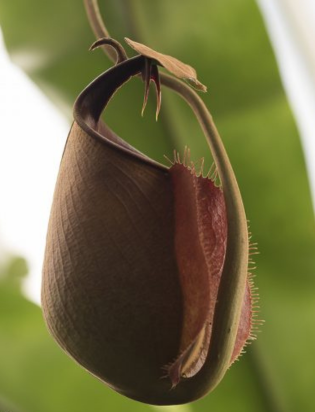
Nepenthes bicalcarata
Common NameFanged Pitcher Plant
The fanged pitcher plant, native to Borneo, is named such because of the ‘walrus-tooth-like prickles’ that protrude from the pitcher.
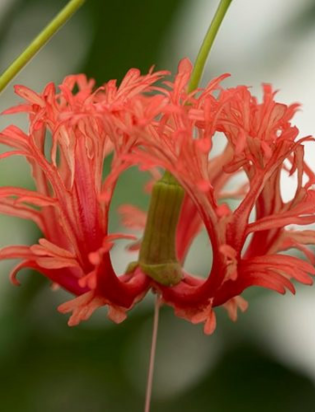
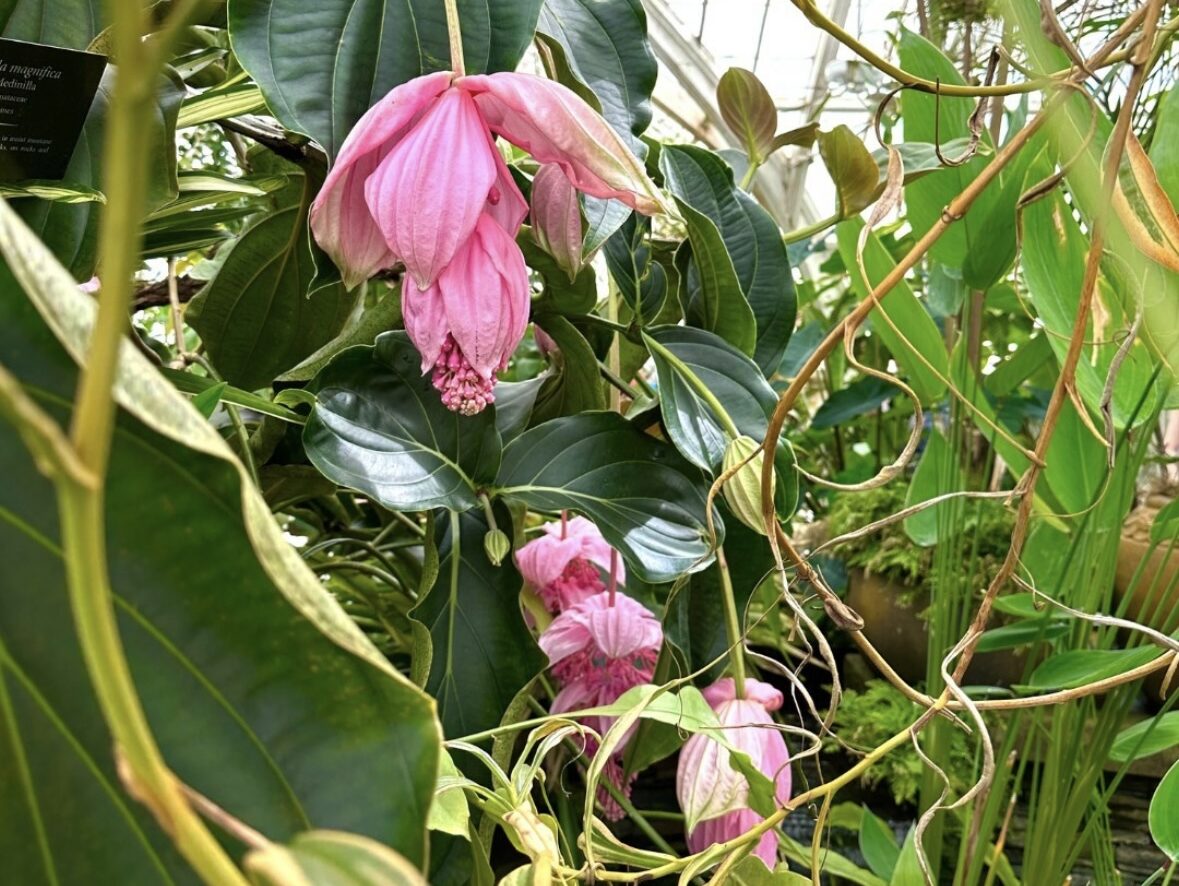
Hibiscus schizopetalus
Common NameJapanese Lantern, Spider Hibiscus
Hibiscus schizopetalus is native to Kenya and Tanzania but is commonly referred to as ‘Japanese lantern’ because it resembles traditional Japanese lanterns.
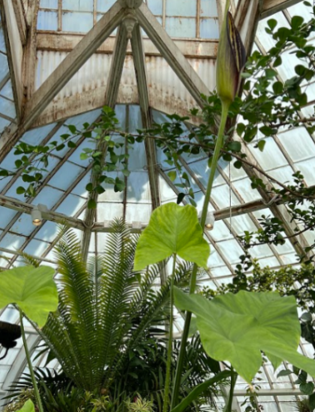
Lasimorpha senegalensis
Common NameSwamp Arum
Lasimorpha senegalensis is a very large aquatic plant from west Africa, found in swamps, ponds, and other areas with slow moving water. Beneath the water’s surface, this plant grows quite vigorously by lateral shoots, or rhizomes.
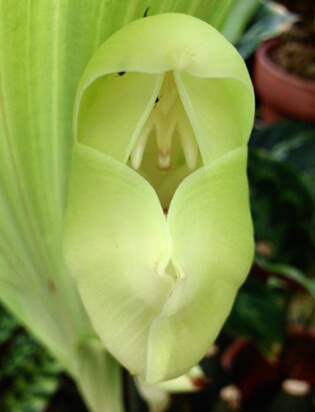
Anguloa
Common NameTulip Orchid
The Anguloa orchid is commonly known as a tulip orchid because of the way the leaves resemble tulip leaves when they emerge from…
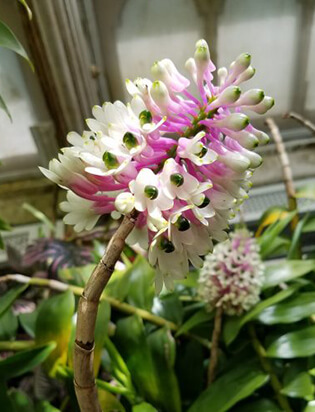
Dendrobium Smillieae
Common NameBottlebrush Orchid
Dendrobium smillieae is a robust orchid that is found in Queensland Australia and New Guinea. They grow epiphytically on tree limbs…
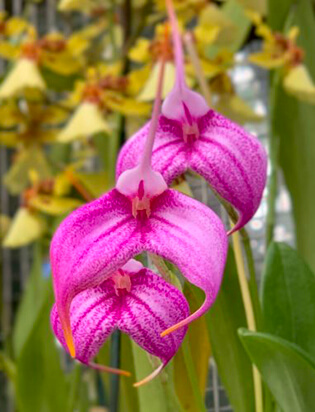
Masdevallia
Common NameKite Orchid
Masdevallia is a genus of 350 cool growing orchid species. They are best known for their unusual triangle-shaped flowers made…
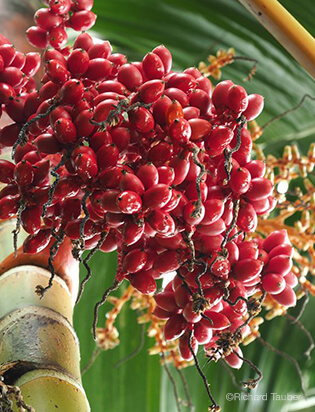
Areca Vestiaria
Common NameSunset Palm
This palm varies from a red crown shaft with maroon leaves, to an orange version with green leaves, and everything in between…
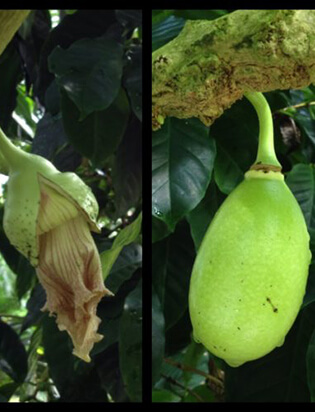
Crescentia Cujete
Common NameCalabash Tree
Crescentia cujete, more commonly known as the calabash tree, has been cultivated throughout tropical Central and South America since…
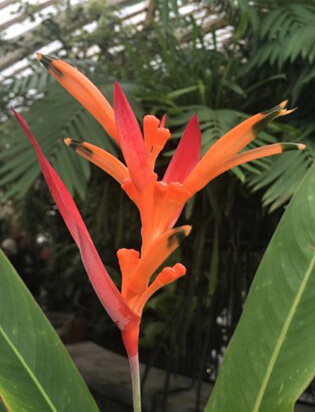
Heliconia Psittacorum
Common NameFalse Bird-of-Paradise
Heliconia is a genus of flowering tropical plants with approximately 225 species. The majority of Heliconia species are native to tropical…
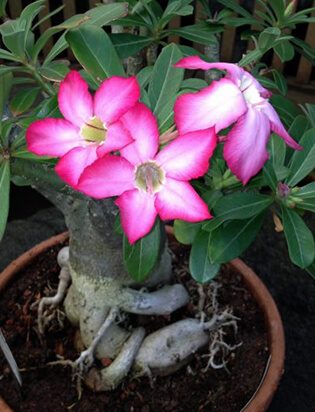
Adenium Obesum
Common NameDesert Rose
This beautiful plant is native to regions ranging from West Tropical Africa to the Arabian Peninsula. Adeniums are appreciated…
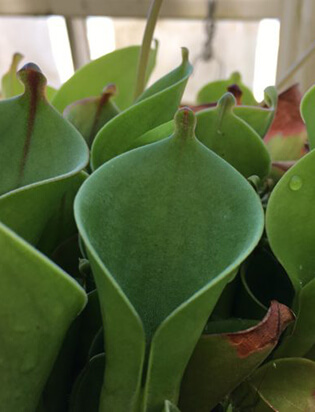
Heliamphora
Common NameSun Pitchers
Heliamphora is a genus of approximately 18 carnivorous plant species. Plants of this genus are endemic to Venezuela, Guyana…
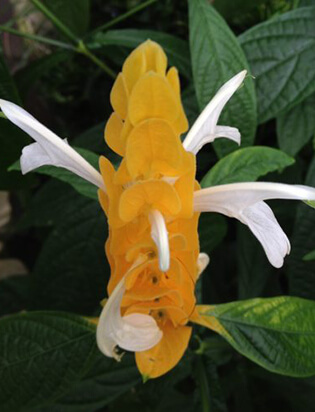
Pachystachys Lutea
Common NameLollipop Plant
Pachystachys lutea is a popular landscape plant in tropical and subtropical areas of the world. The plant’s long-throated, short-lived…
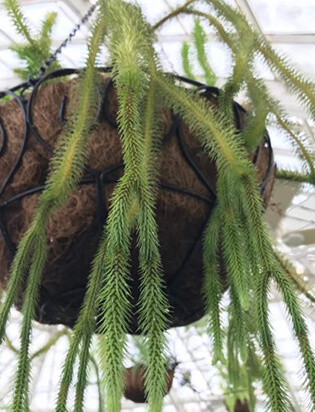
Huperzia Squarrosa
Common NameTassel Fern
Plants in this genus were once a part of the genus Lycopodium from which they differ by not having specialized spore-bearing cones…
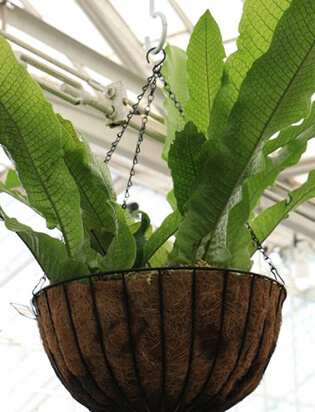
Microsorum musifolium
Common NameCrocodile Fern
Microsorum musifolium is especially noteworthy for the texture of the leaves, the Crocodile Fern comes from the Malaysian…
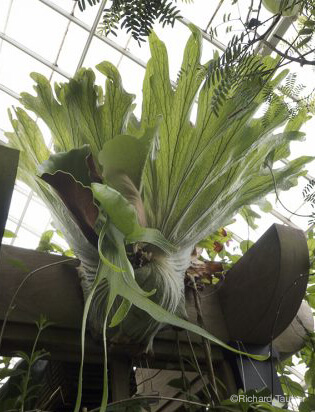
Platycerium
Common NameStaghorn Fern
Staghorn ferns have two types of fronds, basal and fertile. The sterile, oval-shaped, basal fronds not only help the plant adhere…
Plan your perfect event with us
Celebrate in one of our exotic galleries or outside with the beautiful backdrop of the conservatory in view. Whether you’re hosting a ceremony, working lunch, cocktail hour, or seated dinner, find flexible accommodations in our five unique event spaces.

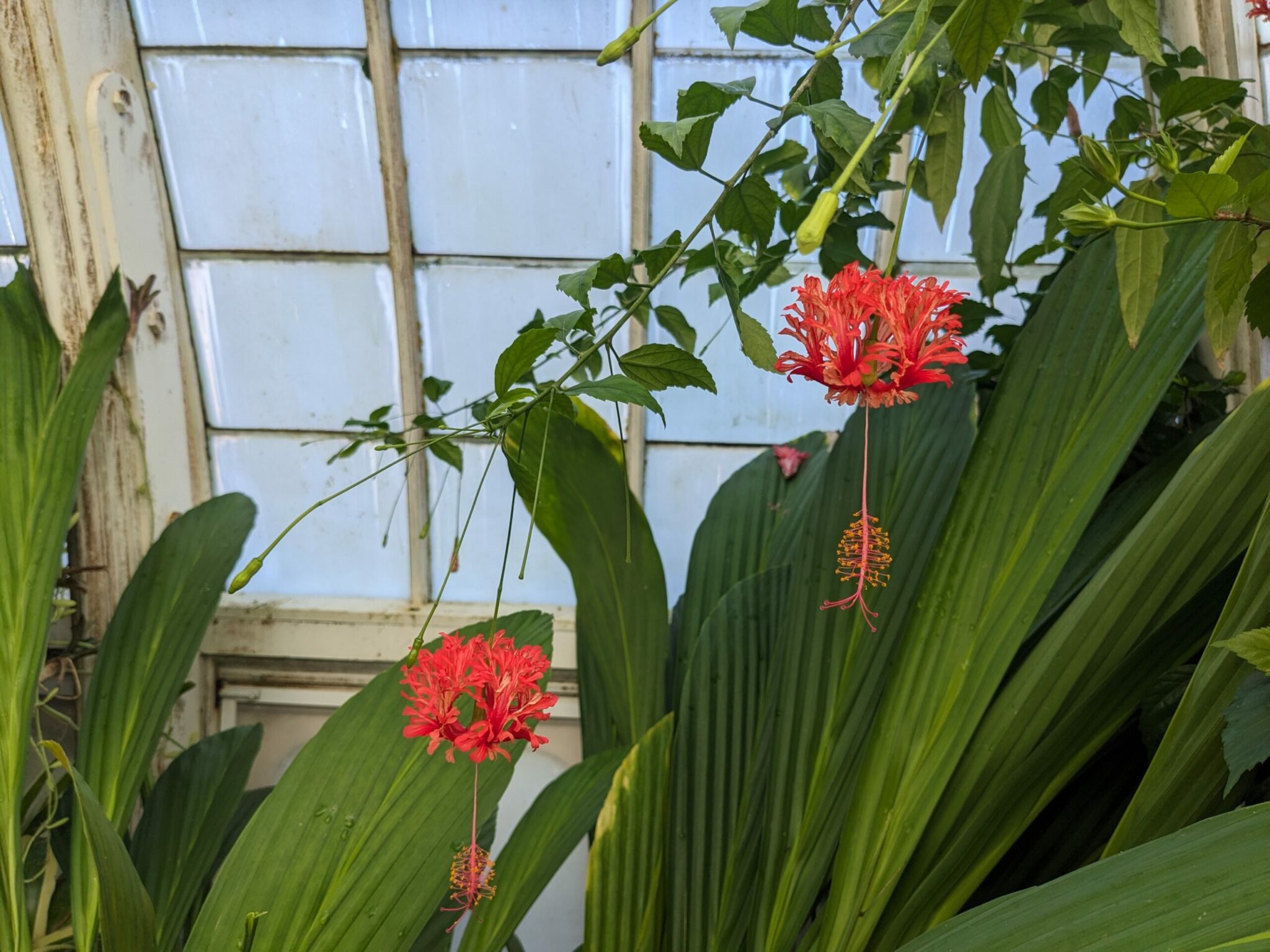
Curator’s Corner – Japanese lantern (Hibiscus schizopetalus)
Sign up for our newsletter
Be the first to know about events, classes and special experiences at the Gardens.
